
'/%3e%3cdefs%3e%3clinearGradient%20id='prefix__paint0_linear_4737_37157'%20x1='3.018'%20y1='23.6'%20x2='44.925'%20y2='24.977'%20gradientUnits='userSpaceOnUse'%3e%3cstop%20stop-color='%231CB7FF'/%3e%3cstop%20offset='.502'%20stop-color='%232FF58B'/%3e%3c/linearGradient%3e%3c/defs%3e%3c/svg%3e)

Man United are a mess and risk making a familiar mistake
Jan 08 2026 14:17 · By Richard Jolly · 58 Reads


As the camera panned in on Manchester United ’s chief executive and director of football, Omar Berrada looked on the verge of tears and Jason Wilcox appeared glum. Maybe it is their natural expressions anyway, or perhaps United just does that to people. And if it is hard to say for certain, it has been noted of late that the United hierarchy has not spoken in public during a particularly eventful time. Although, of course, each did talk to Ruben Amorim on Monday morning to inform him that his reign as United head coach was over.
They have conversed with Darren Fletcher, too, putting him in temporary charge for first Wednesday’s 2-2 draw at Burnley and then Sunday’s FA Cup tie against Brighton. There are discussions with Ole Gunnar Solskjaer and Michael Carrick, too, with the probability that at least one old favourite will return, and both could in a double act.
All of which could indicate swift, decisive action. Or, alternatively, that United are in a mess, that Amorim was sacked without a plan of what came next and that the club, accused of being fixated with their past, are now revisiting an old managerial playbook. Somewhere, Ed Woodward may feel vindicated. United’s former executive vice-chairman had a habit of turning to old players in times of strife; in Solskjaer’s case, an interim proved so popular he got a longer run at the job.
There may be an irony, too. When he became a co-owner, Sir Jim Ratcliffe got control of footballing operations, which in part reflected the sense United had failed on the field since Sir Alex Ferguson’s retirement. The Glazers, handing over the reins to a minority investor, may have rationalised that things could not get any worse. They did: United never finished below eighth when the Glazers or Woodward called the shots. They came 15th in their first full season with Ratcliffe in charge.
open image in gallery
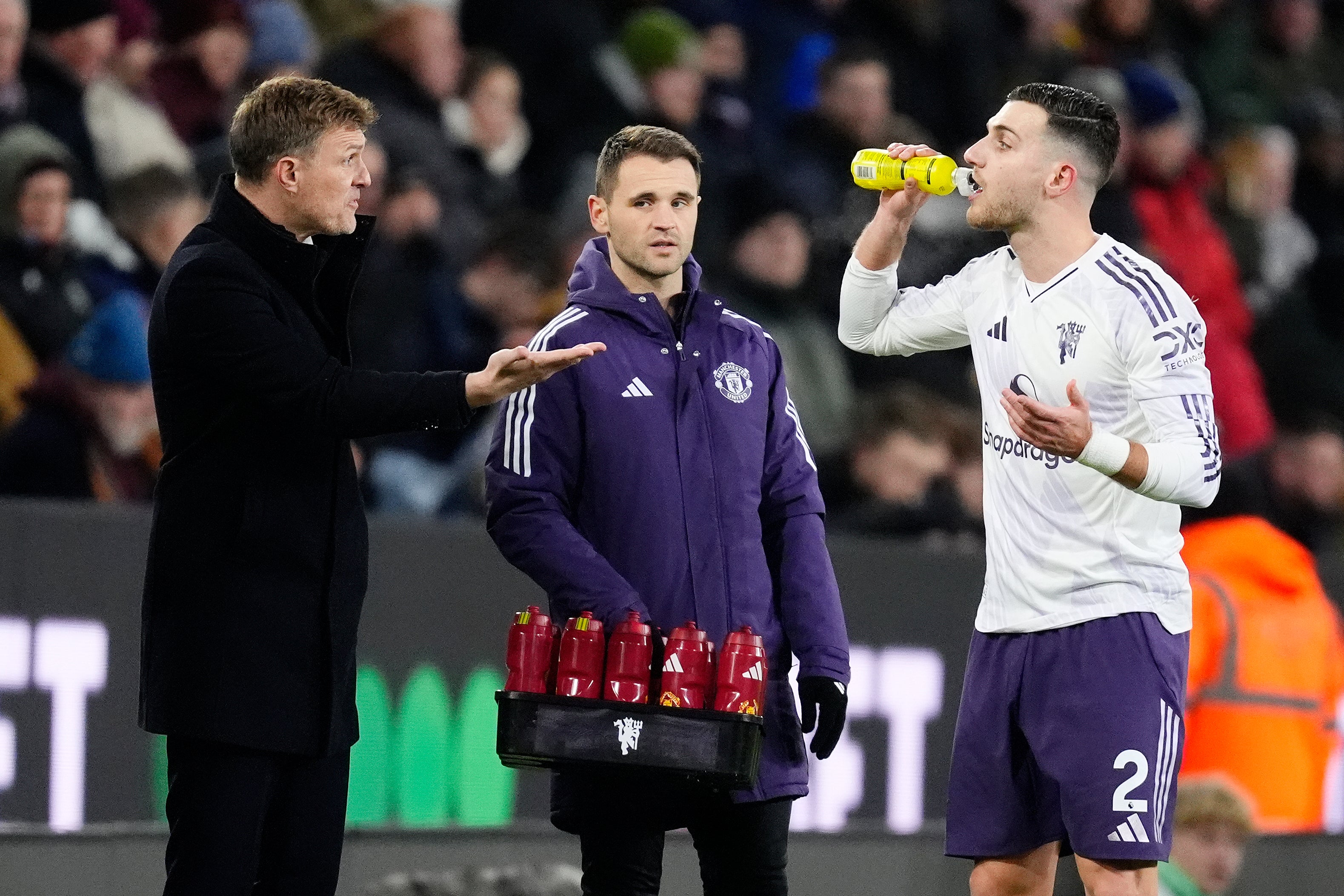
Go back 23 months, to when Ratcliffe bought into the club, and he talked about United being “best in class in all respects of football recruitment”. As more of his own off-field recruits have fallen by the wayside, there remains the case that United’s best manager since Ferguson was the one whose CV outside Old Trafford was the slenderest: Solskjaer.
Meanwhile, Amorim, who was the Ratcliffe regime’s attempt to unearth the next great manager, proved United’s worst of the last half-century; arguably since World War 2. He was a hubristic failure; for him, but also for them.
United should not have appointed him. Having done so, they should have sacked him last summer. All of which compounds the initial error of retaining Erik ten Hag in the summer of 2024, only to fire him in October. Maybe United’s experience with Amorim is a warning not to appoint managers mid-season. Or perhaps the beauty parade of candidates two years ago – even if they managed not to choose any – has led them to believe it would be still more disruptive to attempt a similar process in January.
open image in gallery
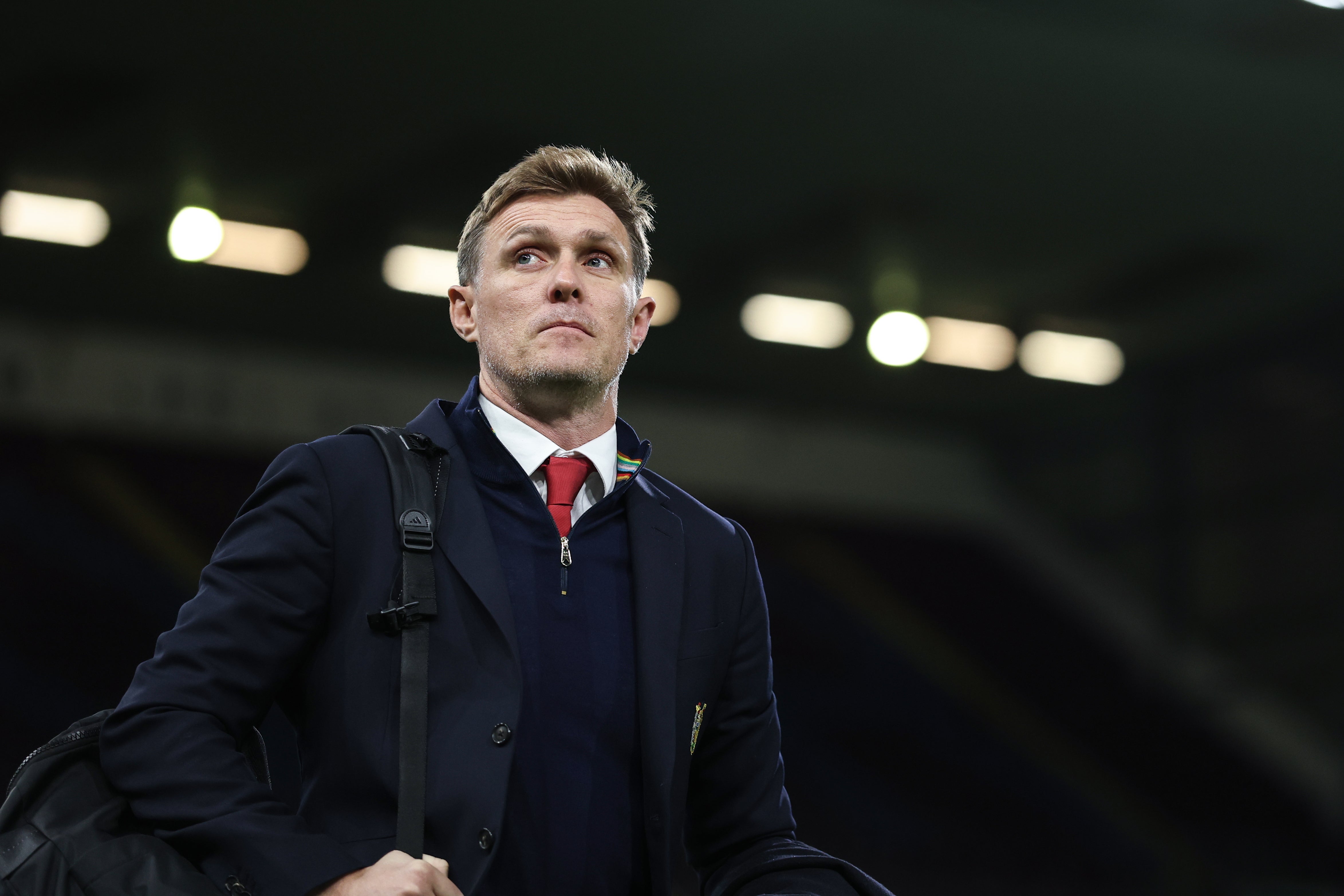
Certainly, there could be a bigger and better list of potential candidates in the summer; although, given the number of major clubs that could be looking for managers, United could face plenty of competition for the outstanding candidates. That would be a test of their persuasiveness and, indeed, if authoritative and experienced figures believe in the United structure.
Which, it seems, is ever changing. Amorim and Ten Hag are the most high-profile departures, but it is just as well that the £50m overhaul of the Carrington training ground included a revolving door. It scarcely ranked as a surprise that Woodward and Glazer appointments like former football director John Murtough and Patrick Stewart, once interim CEO, have gone.
But Jean-Claude Blanc had his role as a director “terminated”. Dave Brailsford returned to the world of wheels, where his expertise lay, and has not been seen at Old Trafford since. Most significantly, Dan Ashworth went from being described as “one of the top sporting directors in the world” by Ratcliffe and headhunted from Newcastle to being unemployed in a few months, at a cost of both a compensation fee and then a pay-off. Ashworth, it is thought, argued against the appointment of Amorim. Which, the evidence would suggest, would make him right.
open image in gallery
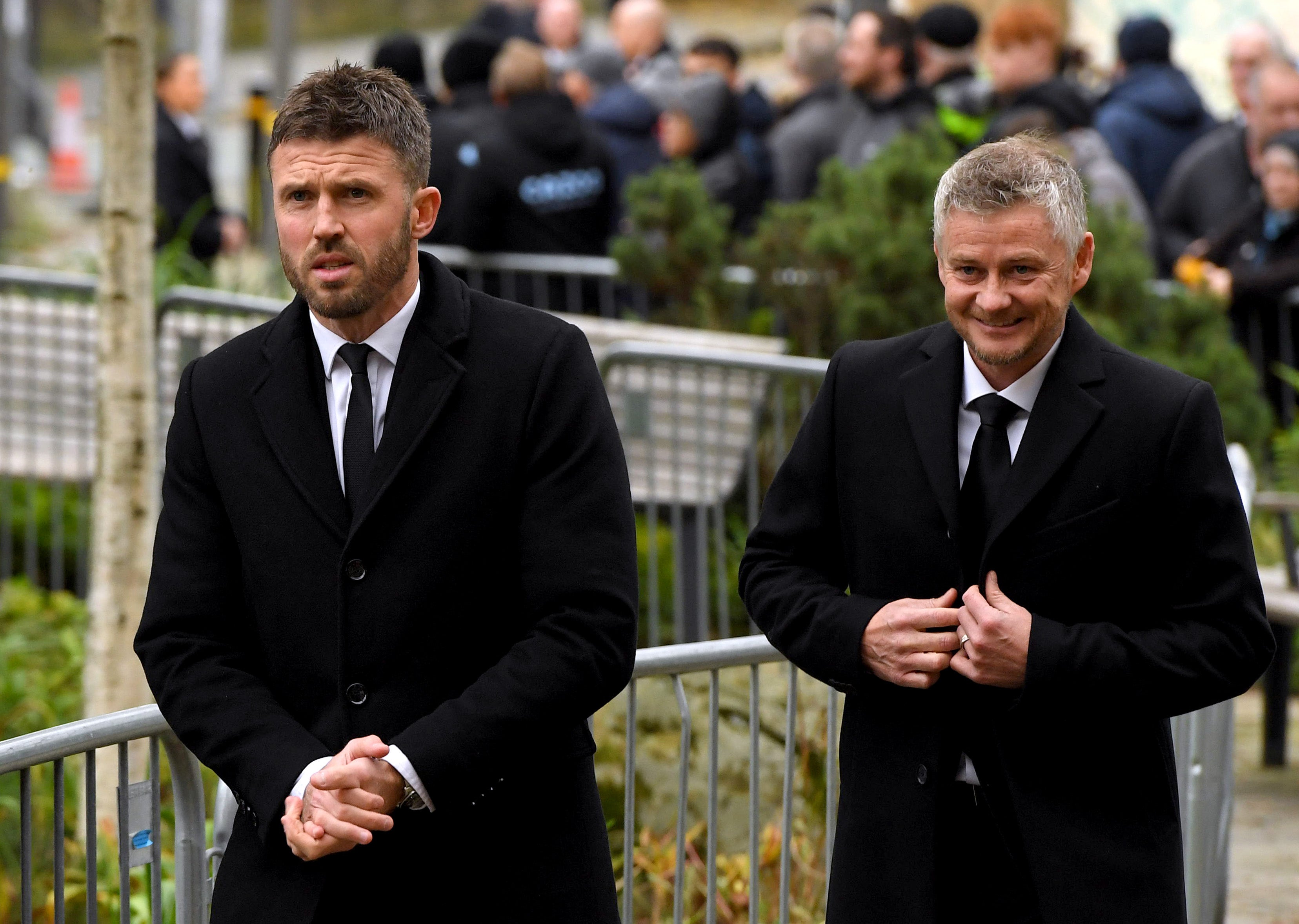
The former Manchester City clique of Wilcox and Berrada have become the survivors. Wilcox had argued Amorim’s case of late, perhaps because there did not seem to be a contingency strategy other than dialling the phone numbers in their handbook of ex-players to see who was free and interested.
The likeable and much-admired Fletcher oversaw the draw at Burnley that at least brought attacking football. In the short term, United’s old players always bring a feel-good factor; they will be serenaded by supporters, and the past can be seductive. Solskjaer or Carrick or both could bring a boost to morale, a unifying sense of happiness. But an underlying problem of the last 13 years is that United can often seem better under caretaker managers than supposedly permanent choices.